
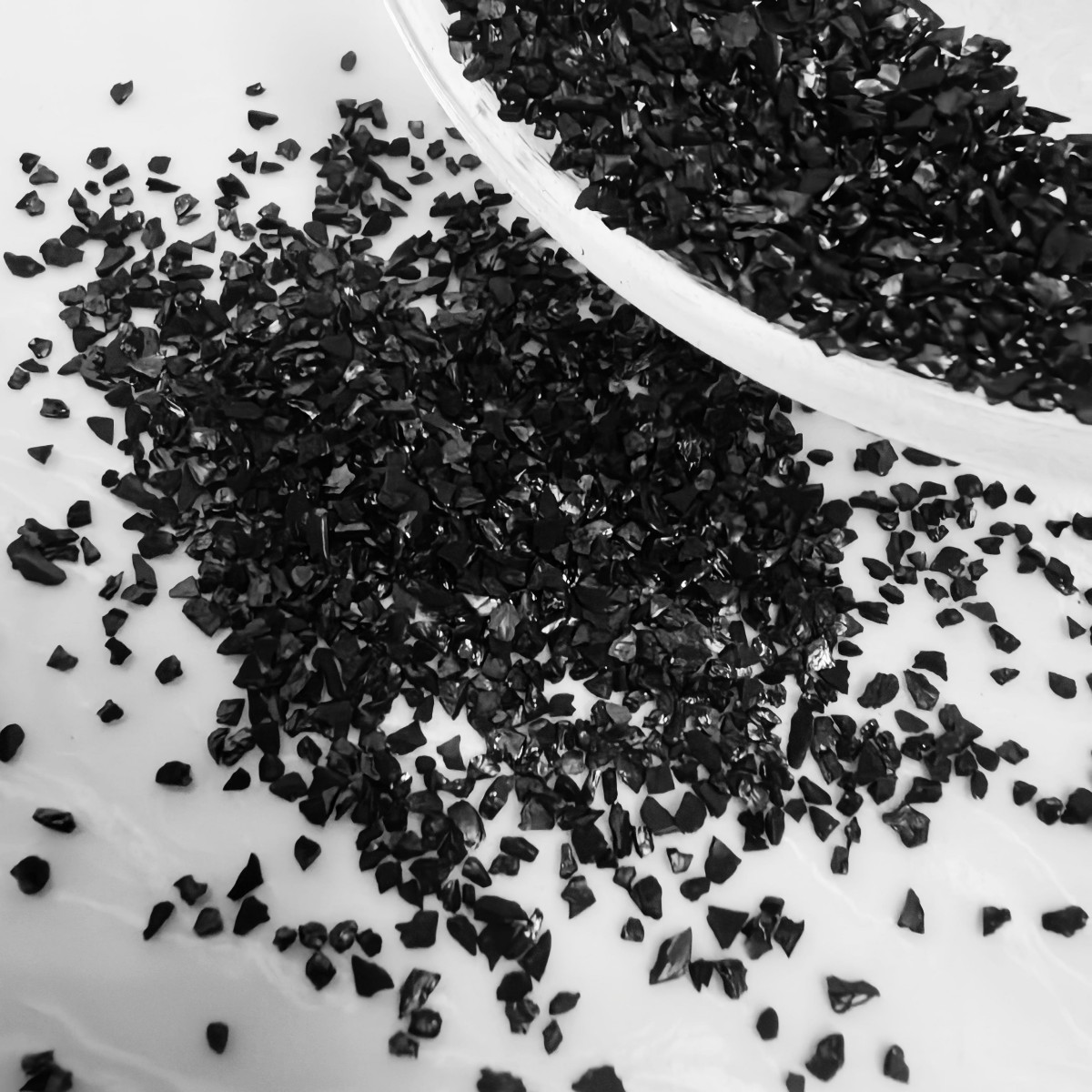
Coconut Shell Water Purification Carbon
A same-site granular route for buyers comparing shell-based water purification materials.
Open product detailsWater treatment material selection
Build a clearer specification for fruit shell grades, then move from form and particle size to the treatment stage that matters. Tianyuan supports the conversation as a fruit shell activated carbon supplier and water treatment activated carbon manufacturer.

A practical RFQ sequence
Start with the physical form, then state the size language and iodine value you need. Leave model-specific fields open for a supplier response.
Choose the material form that matches the treatment equipment, dosing approach, or handling plan.
Use the size language your process team can approve and ask for the available model and screening tolerance.
Give a target or acceptable range so quotations can be compared on the same commercial basis.
State the preferred pack format and request the model-specific documents for the intended end use.
Application routing
The same product family can appear in different project conversations. The process stage and water-quality target should lead the next question.
Clarify the treatment stage, target water quality, chosen form, and any model-specific documents required for the project.
Describe the equipment or process stage first, then align size, iodine value, packaging, and confirmation fields with the system team.
Share the incoming-water context and the intended adsorption step so the supplier can respond with a relevant form and model.
Product snapshot
The product page identifies granular and powdered forms, multiple size expressions, iodine value options, and packaging choices for quotation planning.
Prepare before contacting sales: form, target size, iodine value range, pack preference, application stage, and any document or test-scope requirement.
Same-site alternatives
These products give purchasing teams a starting point for discussing source material and powder-versus-granular direction with the same supplier.
A same-site granular route for buyers comparing shell-based water purification materials.
Open product details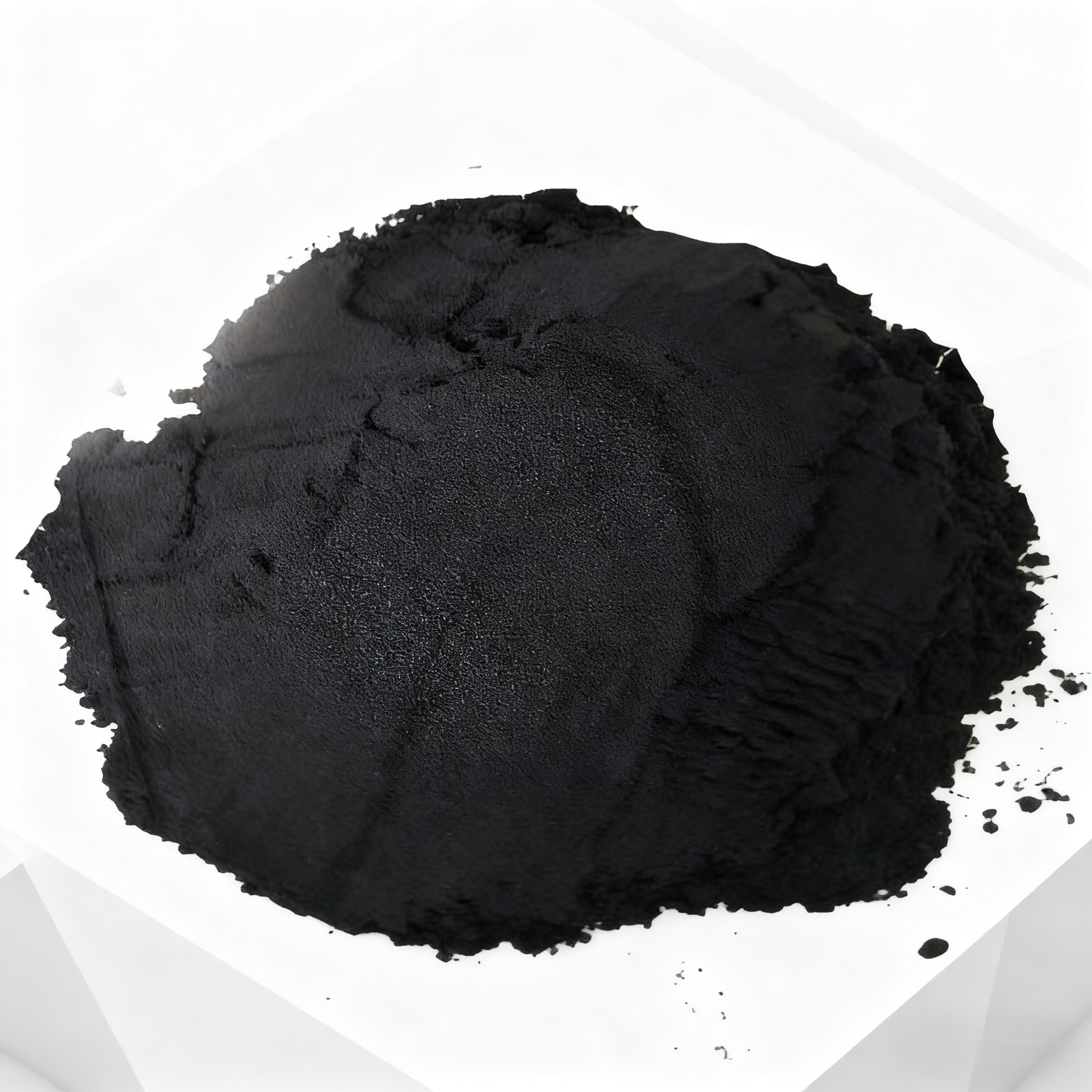
A powder-focused route for projects where dosing and sewage-treatment context lead the discussion.
Open product details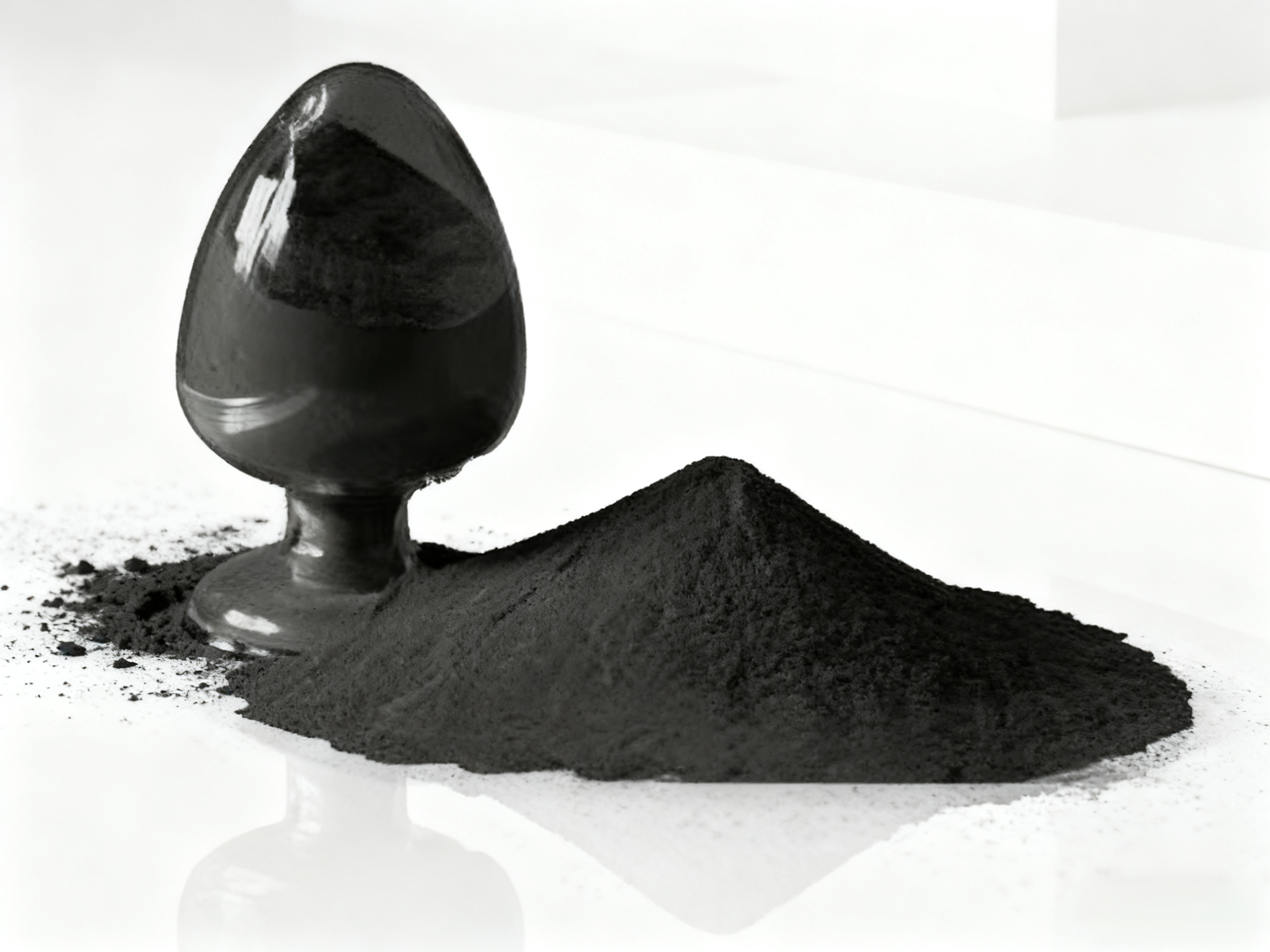
A different source-material path for buyers comparing fine powdered carbon options.
Open product detailsThree reading paths
Read by decision: specification wording, application fit, or the document scope for sensitive claims.
Use form, mesh or millimeter size, iodine value, and packaging as a shared quotation vocabulary.
Read the specification articleSort the project by treatment stage and water-quality goal before selecting a form or size.
Read the application articleKeep model, document, test scope, and market wording aligned when the end use is sensitive.
Read the claim articleBuyer questions
The product page lists both granular and powder forms. The right form depends on the treatment equipment, dosing approach, and handling plan.
Visible options include 1-2mm, 2-4mm, 4-8 mesh, 6-12 mesh, 8-16 mesh, 8-30 mesh, 20-40 mesh, and 200 mesh. Ask the supplier to confirm the available model and tolerance.
The product information lists 600, 800, 900, 1000, 1100, 1200, and other options. The requested value should be matched to the exact quoted model.
25kg/bag and ton bag are listed. Include the preferred pack format in the inquiry so commercial comparisons use a clear basis.
Those applications are listed as product directions. The project team should still provide the treatment stage and target, then confirm the exact form, model, and documentation needed.
Keep final model code, screening tolerance, test method, complete technical fields, document scope, and market-specific claim language open until the supplier responds for the intended use.

